Unraveling the LPG Supply Chain: Challenges and Opportunities
Liquefied Petroleum Gas (LPG) plays a vital role in global energy consumption, serving households, industries, and transportation sectors. However, the LPG supply chain is complex, involving multiple stakeholders, logistical hurdles, and regulatory challenges. Understanding these complexities is crucial to ensuring a stable, efficient, and cost-effective supply of LPG. In this blog, we break down the LPG supply chain, highlight its key challenges, and explore emerging opportunities for improvem
Liquefied Petroleum Gas (LPG) plays a vital role in global energy consumption, serving households, industries, and transportation sectors. However, the LPG supply chain is complex, involving multiple stakeholders, logistical hurdles, and regulatory challenges.
Understanding these complexities is crucial to ensuring a stable, efficient, and cost-effective supply of LPG. In this blog, we break down the LPG supply chain, highlight its key challenges, and explore emerging opportunities for improvement.
Understanding the LPG Supply Chain
The LPG supply chain involves several key stages, each with its own operational and logistical intricacies:
- Production & Refining
· LPG is primarily extracted during natural gas processing or as a byproduct of crude oil refining.
· Major LPG-producing countries include the USA, Saudi Arabia, Russia, and Qatar.
- Storage & Transportation
· LPG is stored in large cryogenic tanks at production facilities before transportation.
· It is transported via pipelines, ships, rail, and road tankers to distribution hubs.
- Wholesale & Distribution
· Bulk LPG is supplied to industrial users, power plants, and commercial enterprises.
· It is also bottled into cylinders for household and small business use.
- Retail & Last-Mile Delivery
· Consumers receive LPG in the form of cylinders or piped gas networks.
· Distribution networks vary from formal retailers to informal supply chains in rural areas.
Challenges in the LPG Supply Chain
Despite its importance, the LPG supply chain faces several challenges that impact efficiency, safety, and affordability:
1. Infrastructure Gaps
- Inadequate storage facilities lead to supply shortages.
- Poor road networks and insufficient pipeline coverage delay deliveries.
- Limited access to rural and remote areas restricts LPG penetration.
2. High Distribution Costs
- LPG transportation is expensive due to fuel prices, import duties, and storage fees.
- Price fluctuations affect affordability, especially in developing markets.
3. Regulatory & Safety Concerns
- Government regulations on pricing, safety, and taxation vary widely across countries.
- Compliance with environmental laws and carbon emission targets affects operations.
- Unauthorized or counterfeit LPG cylinders pose safety risks to consumers.
4. Demand-Supply Imbalance
- Seasonal variations impact demand, especially in winter-heavy regions.
- Global geopolitical events, such as oil production cuts, create supply disruptions.
5. Lack of Digitalization
- Many LPG distribution networks still rely on manual tracking and paperwork.
- A lack of real-time visibility leads to inefficiencies in inventory and logistics.
Opportunities for Improvement
Despite these challenges, technological advancements and policy reforms offer opportunities to optimize the LPG supply chain:
1. Smart Tracking & IoT Integration
- IoT sensors in LPG tanks enable real-time monitoring of gas levels, reducing shortages.
- GPS-enabled fleet tracking optimizes delivery routes and reduces fuel costs.
2. AI-Driven Demand Forecasting
- Artificial Intelligence (AI) and predictive analytics help forecast demand based on historical data.
- This enables better inventory management and prevents stockouts.
3. Blockchain for Transparency & Security
- Blockchain technology ensures tamper-proof records of LPG transactions.
- It enhances traceability, reduces fraud, and improves regulatory compliance.
4. Expansion of LPG Storage & Infrastructure
- Governments and private investors can develop new storage hubs to ensure supply security.
- Expansion of pipeline networks can reduce reliance on road transport.
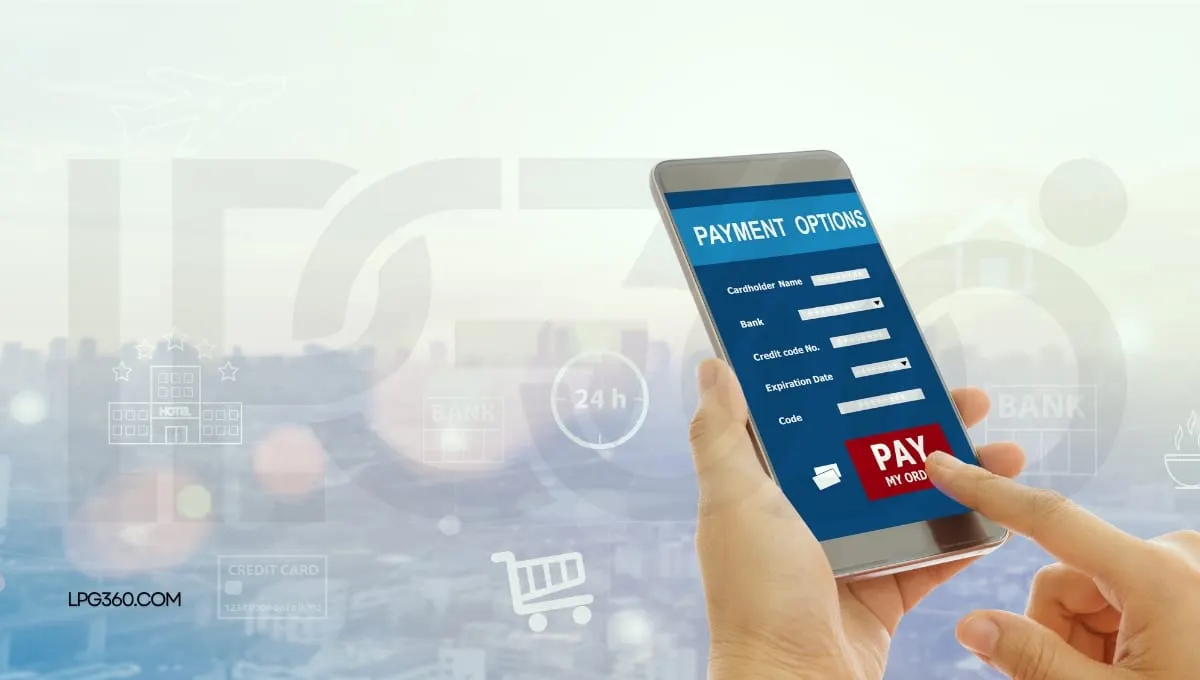
5. Digital Payment & Mobile Ordering
- E-commerce platforms and mobile payment apps allow customers to order LPG seamlessly.
- Contactless transactions improve convenience and security.
6. Policy Reforms & Public-Private Partnerships (PPPs)
- Subsidies and tax incentives can make LPG more affordable for low-income households.
- Governments can collaborate with private companies to expand distribution networks.
Conclusion
The LPG supply chain is evolving, with technology, infrastructure development, and regulatory improvements shaping its future. By addressing LPG challenges through smart logistics, AI-driven demand forecasting, and blockchain transparency, the industry can achieve greater efficiency, affordability, and sustainability. Stakeholders must collaborate to build a resilient and customer-centric LPG distribution network.
Stay ahead of the latest LPG market trends and innovations—follow us for expert insights on energy logistics and supply chain solutions!
#LPG #LPG360 #LPGSupplyChain #EnergyLogistics #LPGDistribution #TechInEnergy #IoT #AI #Blockchain #CleanEnergy #LPGIndustry #DigitalTransformation #SmartSupplyChain #FleetManagement #GasLogistics #SustainableEnergy #LPGTrends #SmartTracking #EnergyEfficiency #LastMileDelivery #OilAndGas #FutureOfEnergy