New Investment Is Shaping Africa’s Clean Cooking Future
Explore what Africa’s clean-cooking investment means for LPG businesses, customer affordability, last-mile distribution and dependable service.
For an LPG business, investment is easy to picture as a new terminal, another filling line or a larger delivery fleet. For a household, progress is more personal. Can the family afford to start using a different cooking system, find a dependable refill nearby and continue paying for the fuel next month? A successful clean-cooking market needs both perspectives.
Africa’s clean-cooking discussion in 2026 offers an important opportunity to connect infrastructure with everyday service. The strongest business ideas will not simply put equipment into the market. They will help people keep using it.
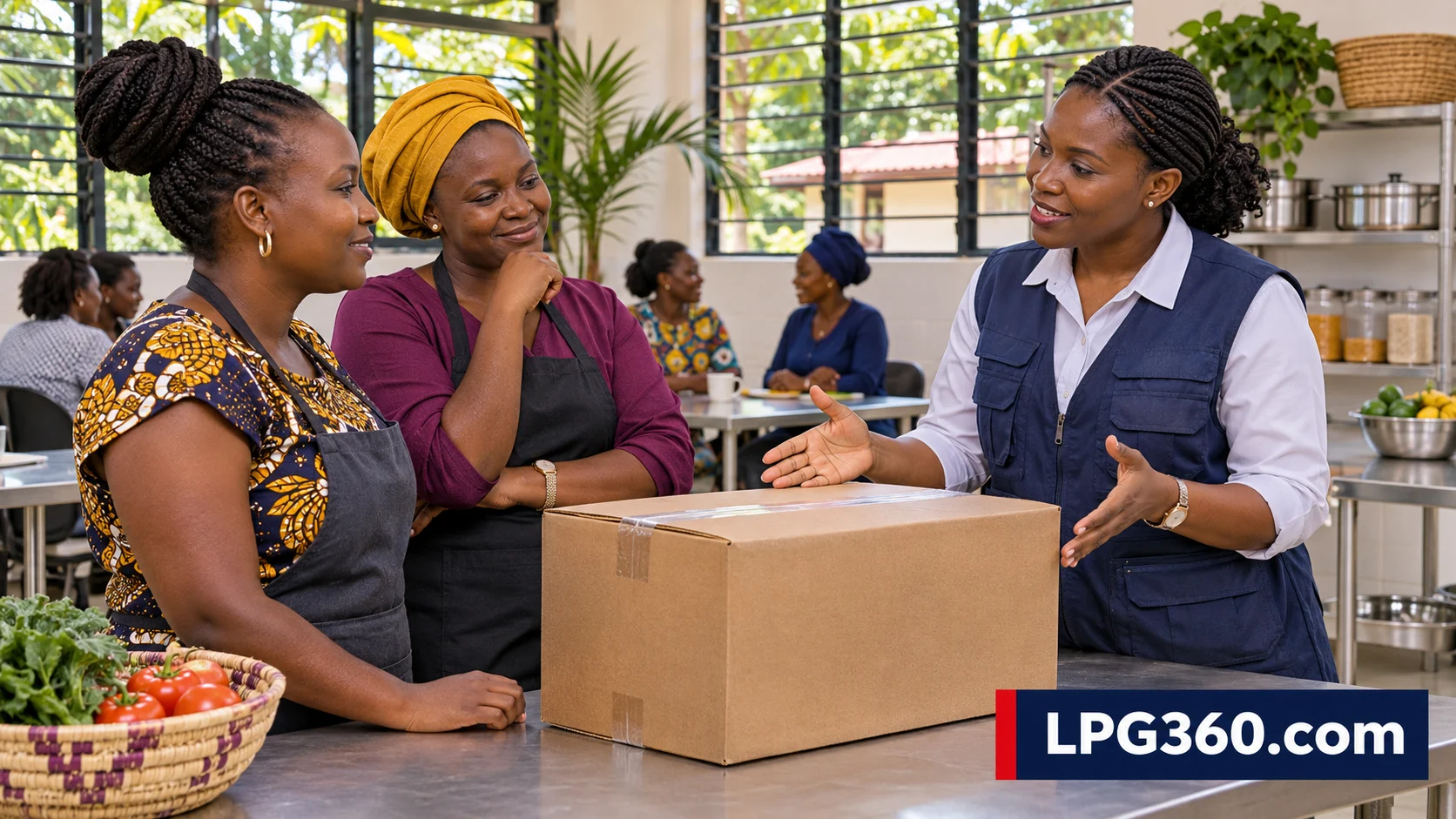
The images are AI-generated editorial illustrations, not photographs of an identified project.
What the funding announcement actually means
On 9 July 2026, the International Energy Agency reported $900 million in new clean-cooking commitments ahead of the second major Africa summit. These commitments concern clean cooking across technologies. They are not an LPG-only investment pot, and an announcement does not mean every project has received funds or begun operating.
The useful question for an LPG operator is therefore specific. Which programmes apply to this country, which activities are eligible, and what evidence must a business provide? A general headline cannot answer those questions. Project sponsors and funding organisations must confirm their own terms.
Start with the customer’s recurring cost
Buying a stove or obtaining the first cylinder is only one step. A family also needs to manage the next refill, travel to a supplier and trust the service. Businesses assessing a new area should listen to customers about payment patterns, cooking needs and the distance they are willing or able to travel.
A lower initial payment may make entry easier, but it is not enough if recurring charges are unclear. Any instalment, deposit or pay-as-you-use offer should explain the total cost, responsibilities and customer support arrangements. Affordability should be demonstrated through the service people actually receive, not just the introductory offer.
Look beyond the most visible infrastructure
A terminal attracts attention, but a new customer usually meets the industry through a local distributor, delivery worker or shop. Investment planning should account for those last-mile businesses as well as bulk capacity. Otherwise, a region can gain supply infrastructure without gaining dependable access close to homes and small enterprises.
Useful questions include whether serviceable cylinders are available, whether refill locations can be reached consistently and whether trained personnel can support customers. Each market will need its own assessment. Conditions in one city should not be presented as the experience of an entire continent.
Make the operating case credible
Businesses seeking finance should be able to explain how demand was assessed, how the service will work and what happens when conditions change. A practical proposal connects capital spending with ongoing costs, maintenance, staff capability and customer support. It also identifies who owns each responsibility.
For example, adding a delivery vehicle is not simply a vehicle purchase. The operating plan must consider route demand, driver competence, maintenance and dispatch coordination. The same discipline applies to facilities and customer equipment. Investment becomes more convincing when the plan explains how assets will remain useful rather than merely how they will be acquired.
Measure continued use rather than distribution alone
A count of newly distributed appliances or cylinders can show activity, but it cannot by itself establish a lasting change. Businesses and programme partners should agree what continued service looks like. Repeat purchases, reliable refill availability and the resolution of complaints can help explain whether an offering is working.
Measurement should also respect customers. Gather only information that has a clear purpose, explain its use and avoid turning participation into an unnecessary documentation burden. A useful evidence process supports service improvements instead of distracting employees from them.
Give local expertise a place in the plan
Shop operators understand customer routines. Drivers know difficult routes. Plant teams understand operational bottlenecks. Women running food businesses can describe needs that are missed in an infrastructure-only discussion. Bringing these voices into planning can reveal whether an apparently attractive project will work in daily life.
None of this removes the need for qualified design, safety review or regulatory approval. Local knowledge and professional oversight serve different purposes and should support each other. Growth should never depend on informal filling, unsuitable equipment or promises that a business cannot keep.
Conclusion
New investment can help expand Africa’s clean-cooking markets, but money alone does not create a dependable service. For LPG businesses, the opportunity is to connect responsible infrastructure with affordable refills, skilled local teams and clear customer support. The most valuable project is not necessarily the largest announcement. It is the one that keeps working for the people it is intended to serve.