From Production to Consumption: A Deep Insight into the LPG Supply Chain
Liquefied Petroleum Gas (LPG) plays a crucial role in the global energy landscape, providing clean and efficient fuel for households, industries, and transportation. However, behind the convenience of an LPG cylinder or pipeline supply lies a complex and well-structured supply chain. From its extraction to final consumption, LPG undergoes multiple stages, each contributing to its availability, affordability, and safety. Understanding this supply chain is key to optimizing operations, reducing co
Liquefied Petroleum Gas (LPG) plays a crucial role in the global energy landscape, providing clean and efficient fuel for households, industries, and transportation. However, behind the convenience of an LPG cylinder or pipeline supply lies a complex and well-structured supply chain. From its extraction to final consumption, LPG undergoes multiple stages, each contributing to its availability, affordability, and safety. Understanding this supply chain is key to optimizing operations, reducing costs, and ensuring sustainable energy distribution.
1. Extraction and Production of LPG
LPG is primarily derived from two sources:
- Natural Gas Processing: During natural gas extraction, propane and butane are separated and processed into LPG.
- Crude Oil Refining: LPG is also produced as a byproduct of refining crude oil into gasoline and diesel.
Once extracted, LPG undergoes further purification and treatment to remove impurities before being stored in specialized facilities. The efficiency of this process directly impacts the quality and cost of the final product.
2. Storage and Transportation
After production, LPG is stored in large pressurized tanks at refineries or storage terminals. The transportation process then follows these key methods:
- Pipeline Transport: Used for large-scale movement to distribution hubs.
- Tanker Ships: Transport LPG internationally in liquefied form.
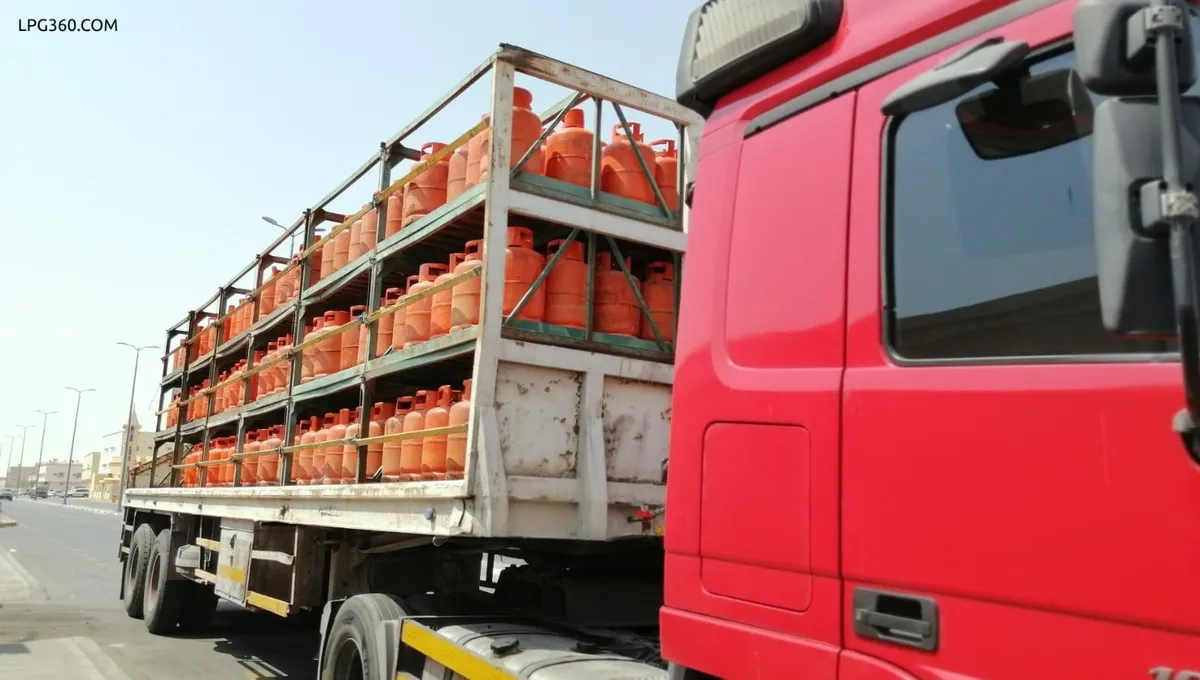
- Rail and Trucks: Deliver LPG to bottling plants and distributors.
Storage and transportation require careful handling due to LPG's flammable nature. Advanced safety measures and monitoring systems help prevent leaks and accidents.
3. Bottling and Distribution
LPG reaches end-users through two main forms:
- Cylinder Bottling: The most common method, where LPG is filled into cylinders of various sizes.
- Bulk Supply: Used for industrial and commercial applications, delivered via pipelines or tanker trucks.
Bottling plants play a crucial role in ensuring the quality and safety of LPG before it reaches consumers. Cylinders undergo rigorous checks, including pressure testing and leak detection, before being dispatched.
4. Retail and Consumer Access
LPG is sold through a vast distribution network, including:
- Retail Outlets: Local gas agencies and fuel stations supply LPG cylinders.
- Online Delivery Services: Many suppliers now offer doorstep delivery through digital platforms.
- Industrial Supply Contracts: Large-scale industries have long-term agreements for a steady supply of LPG.
Consumers benefit from subsidies and pricing regulations in many countries, making LPG an affordable and reliable energy source.
5. Safety and Quality Assurance
Due to its hazardous nature, stringent safety protocols are followed throughout the supply chain. These include:
- Leak Detection Systems: Sensors and AI-powered monitoring help prevent gas leaks.
- Cylinder Certification: Regular inspection and maintenance of LPG cylinders ensure safe usage.
- Training Programs: Employees and consumers are educated about safe handling and emergency procedures.
Governments and regulatory bodies enforce safety standards to minimize risks associated with LPG usage and transportation.
6. The Future of LPG Supply Chain
The LPG industry is evolving with new technologies and sustainability efforts. Future developments include:
- Digital Tracking: Blockchain and AI are improving supply chain transparency and efficiency.
- Renewable LPG: Innovations in bio-LPG production are making the industry more eco-friendly.
- Smart Distribution: Automated refill systems and IoT-based monitoring are enhancing delivery operations.
These advancements are set to make the LPG supply chain more efficient, cost-effective, and environmentally sustainable.
Conclusion
The journey of LPG from production to consumption involves multiple stages, each crucial for ensuring safe and efficient energy distribution. From extraction and refining to storage, transportation, and retail, the LPG supply chain is a well-coordinated process that fuels millions of homes and industries worldwide. With advancements in technology and sustainability initiatives, the LPG sector is poised for further innovation, making it an even more reliable and eco-friendly energy source for the future.
#LPG #LPG360 #LPGSupplyChain #EnergyDistribution #LPGProduction #LPGStorage #LPGTransportation #GasIndustry #CleanEnergy #LPGBottling #LPGRetail #LPGMarket #LPGSafety #LPGIndustryGrowth #FossilFuels #EnergySector #SustainableLPG #SmartLPG #GasLogistics #LPGEconomy #LPGTrends #FutureOfLPG #GreenEnergy #LPGInnovation #EnergySecurity #LPGTrade #FuelTechnology