Building a More Reliable LPG Supply Chain
Explore practical ways to improve LPG supply reliability through sourcing, stock planning, cylinder availability, transport and communication.
For a household waiting to cook dinner, a restaurant preparing for its busiest evening or a factory planning tomorrow's production, LPG reliability has a simple meaning. The fuel arrives safely, in the right quantity and when it is needed. Behind that everyday expectation sits a chain of importers, terminals, filling plants, transporters, distributors and retailers. Every link matters.
The industry discussion in 2026 has made supply resilience a clear priority. But resilience is not only a national infrastructure question. It also concerns the decisions an LPG business makes each week about suppliers, stock, deliveries and customer communication.
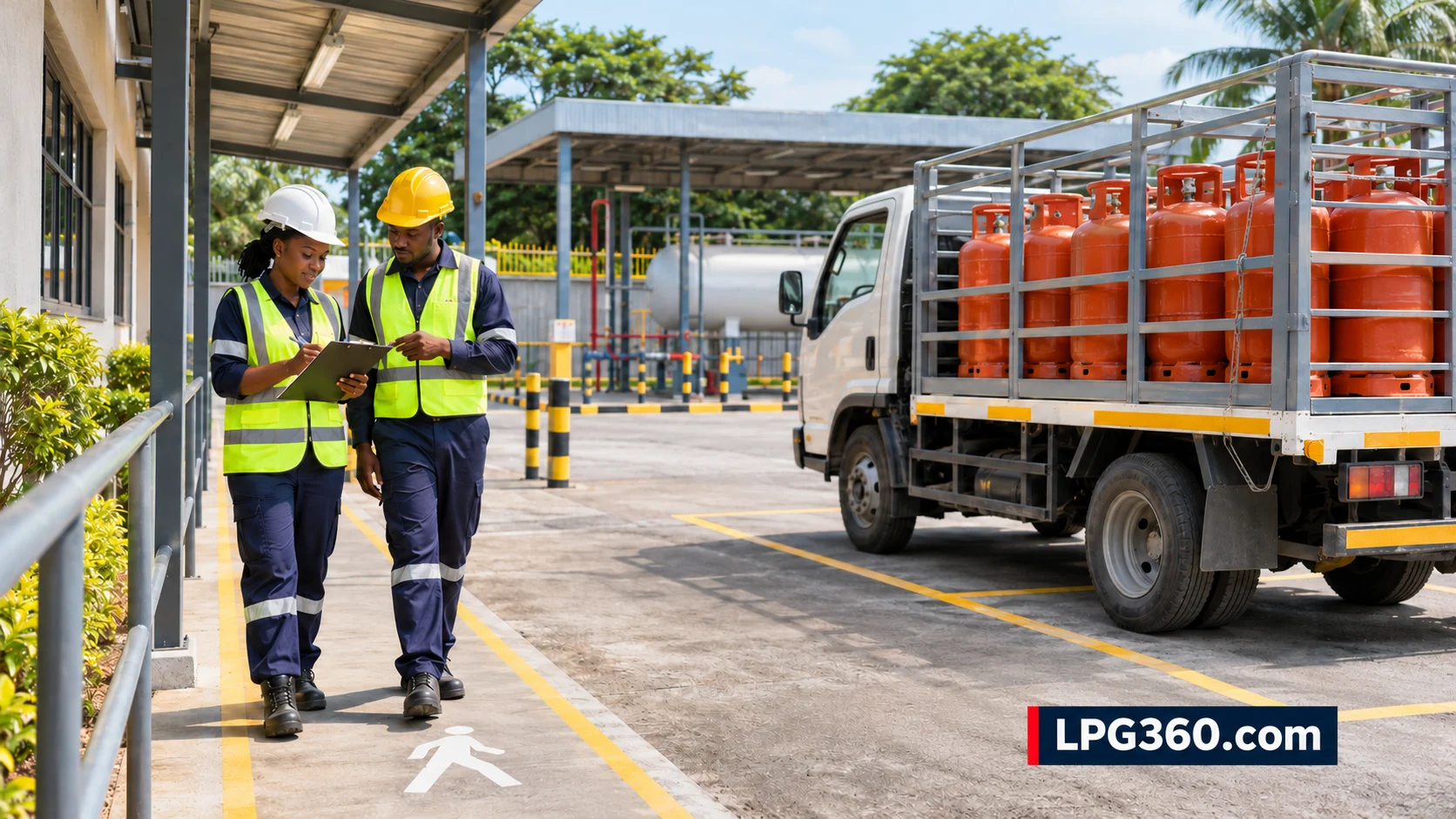
Images in this article are AI-generated editorial illustrations of LPG logistics, not photographs of an identified facility.
Reliability begins with the whole journey
A cargo secured at a competitive price does not automatically become a reliable customer delivery. Berth availability, terminal capacity, product checks, filling schedules, road access and cylinder returns can each affect the journey. A business may have enough LPG in its network yet still struggle to supply a particular location.
The practical starting point is to map that journey. Who owns each handover? What information must move with the product? Which delay would stop the next activity? A clear picture helps teams distinguish a sourcing problem from a transport bottleneck or a shortage of serviceable cylinders.
What the 2026 industry discussions highlight
At the IEA–WLGA LPG Leadership Forum on 26 June 2026, governments and industry representatives discussed supply diversification, strategic storage, reserve mechanisms and the protection of critical infrastructure, including the needs of import-dependent African markets.
A separate industry opinion published by WLGA on 22 August 2026 also emphasised the importance of delivering energy where it is needed. That is an industry perspective, rather than an independent forecast. The operational suggestions below are LPG360's practical interpretation of these themes, not requirements issued by either organisation.
Build realistic alternatives before a disruption
Dependence on one supplier or one delivery route can make a business vulnerable to an interruption it cannot control. Alternatives are most useful when they have been assessed before they are urgently needed. A second supplier is not a genuine backup if product suitability, commercial terms, transport arrangements and regulatory requirements remain unresolved.
For an importer, the discussion may involve supply origins and shipping options. For a distributor, it may involve an approved alternative filling source or a transport partner. The aim is not to change suppliers constantly. It is to understand which alternatives can actually operate, at what cost and with what lead time.
Plan stock around demand and replenishment time
Stock decisions should reflect actual demand, the time needed to replenish and the consequences of a delayed delivery. Historical sales help, but they need context. Seasonal cooking demand, business customers' schedules, holidays and road disruptions can change the pattern.
There is no single number of reserve days suitable for every LPG business. Extra stock uses working capital, while storage has strict approved limits and operating requirements. Commercial managers and qualified operations personnel should agree a plan suited to their own facilities and local obligations. Resilience must never mean exceeding safe capacity or using unapproved storage.
Give cylinders and transport equal attention
Bulk product availability is only part of a cylinder business. If too many cylinders are awaiting return, inspection or maintenance, filling and distribution can slow even when fuel is available. Teams need a dependable view of serviceable cylinders, empty returns and units removed from circulation.
Transport planning deserves the same attention. Realistic dispatch times, properly maintained vehicles, qualified drivers and clear delivery priorities support dependable service. A late route should trigger an updated plan, not pressure to overload a vehicle, skip checks or accept unsafe handling. Equipment and transport decisions must follow applicable requirements and competent professional advice.
Make information useful at every handover
Good information does not need to be complicated. A shared daily view of available stock, confirmed incoming supply, filling capacity, vehicles and outstanding orders can help teams make better decisions. What matters is that the information is accurate, current and understood by the people using it.
Each handover should have a named owner. When an arrival estimate changes, the terminal, plant and distribution teams should know early enough to adjust. Customers should receive realistic updates rather than promises based on an old schedule. Reliable communication protects trust even when a business cannot prevent the original disruption.
Turn resilience into a regular business habit
A short weekly review can start with five questions. Which orders were late? What caused the delay? Where did stock information differ from reality? Which part of the network had too little capacity? What action will reduce the chance of the same problem next week?
Track a small set of consistent measures, such as on-time deliveries, stockout incidents, replenishment lead times and cylinder turnaround. Review safety exceptions separately and act on them promptly. These measures should help people solve problems together, not encourage them to hide delays or take shortcuts.
Importers, plant teams, drivers, distributors and shop operators each hold knowledge that the rest of the chain needs. Listening to those closest to the work often reveals an improvement before a major investment is necessary.
Conclusion
A more reliable LPG supply chain is built through connected decisions, not one isolated purchase or project. Practical alternatives, suitable stock planning, serviceable cylinders, dependable transport and honest communication all contribute. For businesses across Africa, Asia and other LPG markets, the next step is to find the weakest handover, involve the people who understand it and make a measurable improvement without compromising safety. That is how resilience becomes part of everyday service.